Tropical Floral Summer 16oz Hot Cup Wrap
First Impressions: A Breath of Warmth, Not Just a Pattern
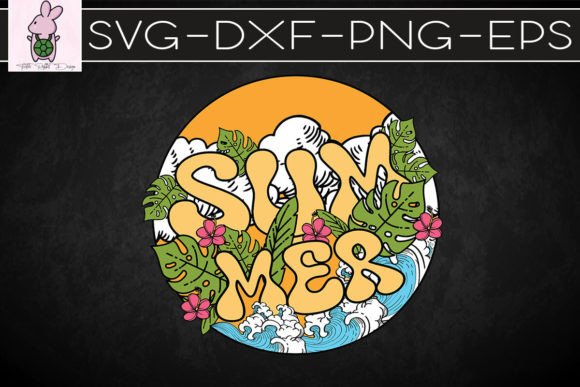
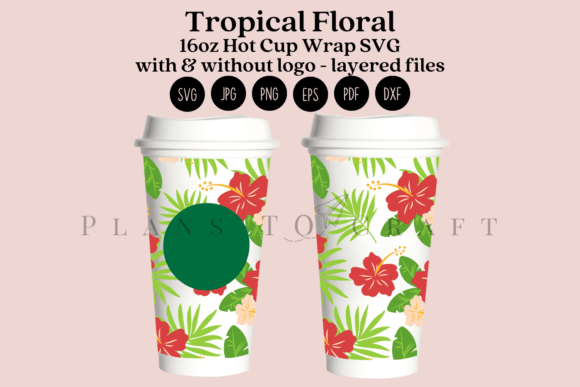
When I opened Tropical Floral Summer 16oz Hot Cup Wrap, I didn’t see just another floral graphic—I felt the shift in season. The layout leans into relaxed rhythm, not rigid symmetry: soft fronds curve outward, hibiscus blooms sit at easy angles, and leaves taper with organic variation. It’s light enough for summer but grounded enough to avoid looking like clipart. As an embroidery designer who’s stitched hundreds of florals, I immediately asked: Where would this live best—not on screen, but on fabric? My mind jumped to a linen tea towel for a boutique kitchen line, or a relaxed-fit sweatshirt for a coastal Etsy shop. This isn’t a design that shouts; it invites.
Real-World Stitching: Where It Shines (and Where It Asks for Care)
Last week, I prepped a custom embroidered tote bag for a local café launch—cotton canvas, medium weight, dark navy base. I tested Tropical Floral Summer 16oz Hot Cup Wrap as a centered chest motif, scaled to fit a 4x4 hoop. The result? Clean satin-stitched petals held shape without puckering, and the fill-stitch leaves stayed dense but breathable. Customers loved the warmth it added—no one mistook it for generic “tropical” stock. That said, I wouldn’t push it onto a baby onesie without adjustments: the outer leaf tips are delicate, and fine running-stitch details can blur on ultra-soft knits or stretchy jersey. On caps or curved surfaces, the wrap’s horizontal flow works well—but only if you’re using a cap frame or proper hooping technique to prevent distortion.
Smart Pairings for Craft Business & Personal Projects
- Tote bags & aprons: Ideal for medium-to-heavy woven fabrics—stitch clarity stays high, and the design’s width fills space gracefully without overwhelming.
- Sweatshirts & hoodies: Works beautifully on fleece-backed cotton, especially when paired with tonal thread (e.g., sage green on heather grey). Avoid placing near seams or high-flex zones unless stitch density is verified.
- Patches & pillow covers: The layered file structure makes isolating elements simple—great for turning one bloom into an iron-on patch or building a custom pillow set.
- Holiday or wedding gifts: Surprisingly versatile—swap out bright pinks for dusty rose and ivory thread, and it reads as boho-elegant for bridal showers or anniversary towels.
Fabric & Function: Know When to Pause
This design leans into detail—not micro-detail, but intentional variation. That means it performs best on stable, smooth-surfaced fabrics: quilting cotton, twill, linen, midweight denim. On textured fabrics like bouclé or thick terry, some subtlety in petal layering may soften. On dark fabric, contrast matters: test thread colors early—especially for the lighter inner flower highlights. And while the file includes vector and raster options, remember: embroidery files need conversion. If you’re planning machine embroidery, confirm whether your software can cleanly translate the layered EPS or SVG into stitch-ready format—or whether you’ll need to simplify paths first. Don’t assume “vector = ready to sew.”
What It Adds to Your Handmade Product—Beyond Pretty
A well-chosen embroidery design does more than decorate—it builds trust. When a customer sees crisp, balanced stitching from Tropical Floral Summer 16oz Hot Cup Wrap on a handmade tea towel, they read care, consistency, and intention. That perception lifts perceived value, especially for small shop owners pricing items thoughtfully. For Etsy sellers, it also strengthens brand cohesion: use it across matching kitchen sets or seasonal apparel drops, and customers begin recognizing your visual language. But here’s the quiet truth—it doesn’t work everywhere. Toss it onto a thin poly-blend t-shirt without stabilizer? You’ll get shadowing and thread pull. Use it full-size on a curved baby beanie? The proportions will warp. Respect its natural habitat: stable fabric, moderate scale, thoughtful placement.
Practical Designer Notes Before You Stitch
- Always run a test stitch on scrap fabric—same type, same stabilizer, same thread count.
- Check stitch density visually: too dense = stiff fabric; too sparse = gaps between satin lines.
- Confirm hoop size compatibility—this design was presized for a 16oz hot cup tumbler, so its native dimensions likely suit standard 4x4 or 5x7 hoops, but verify before hooping.
- Inspect small corners and inner curves—they’re where thread tension and digitizing quality show most.
- Try black-and-white mockups: if it reads clearly without color, it’ll hold up on varied fabric backgrounds.
- Use cutaway or tear-away stabilizer based on fabric weight—not generic “embroidery stabilizer.”
- Review licensing terms carefully: this is a digital embroidery file intended for both personal and commercial embroidery projects, but resale of the digital file itself falls under Graphics licensing—check before listing on craft marketplaces.
Final Thought: A Design That Serves the Project, Not the Other Way Around
Tropical Floral Summer 16oz Hot Cup Wrap isn’t flashy. It doesn’t demand attention—it earns it through balance, rhythm, and quiet confidence. As a Crafts-focused asset, it bridges digital convenience and tactile authenticity. Whether you’re a solo embroiderer building a holiday collection, a small shop owner refreshing summer merchandise, or a hobbyist stitching personalized gifts, it works when treated like a collaborator—not just a download. It asks for attention to fabric, stabilizer, and scale—and rewards that attention with finished products that feel intentional, warm, and unmistakably handmade.