Too Cute Halloween to Spook SVG: Graphics for Crafts
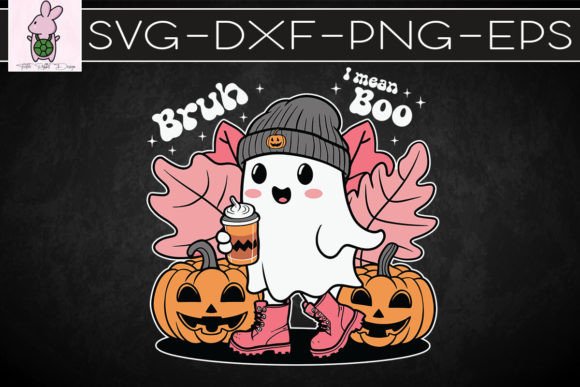
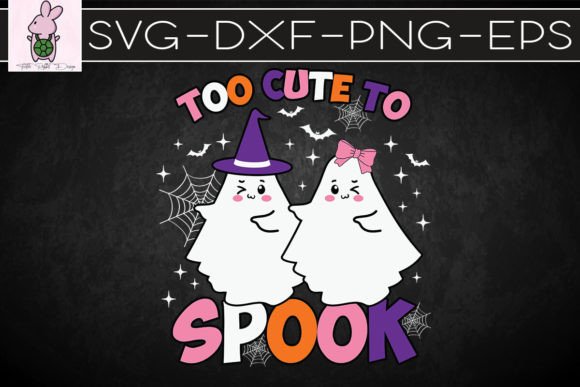
As someone who’s launched over 200 digital product listings across Etsy, Creative Fabrica, and Shopify—and built a six-figure seasonal design shop—I opened Too Cute Halloween to Spook SVG expecting playful charm. What I got was something more strategic: a tightly curated, mood-driven graphic design asset that lands right between nostalgic childhood Halloween and modern commercial cuteness. It’s not spooky. It’s *sweetly mischievous*—think candy corn eyes, friendly ghosts with rosy cheeks, pumpkins wearing tiny bowties, and bats holding miniature lanterns. The palette leans into soft terracotta, dusty sage, creamy ivory, and muted plum—not neon orange or black-heavy contrast. That makes it ideal for buyers who want Halloween without the horror: parents creating nursery prints, boutique stationery sellers, Canva template creators building cozy fall collections, and print-on-demand shops targeting lifestyle brands.
This isn’t just clipart—it’s a functional digital product engineered for speed and scalability. The kit delivers SVG files optimized for Cricut Design Space and Silhouette Studio (including clean, single-layer cut paths), high-resolution PNGs at 300 DPI with true transparency, and DXF files for laser and CNC users. All designs are scaled to fit standard cup sizes (12 oz tumblers, ceramic mugs) without distortion—no awkward stretching or pixelation when resized. That “cup-sized” practicality matters: it means less time adjusting proportions and more time bundling, testing, and listing.
Where This Graphic Design Asset Fits Real Product Workflows
I tested Too Cute Halloween to Spook SVG across seven product categories before finalizing my Etsy launch:
- Tumbler wraps & mug designs: The rounded shapes and balanced negative space scale cleanly on curved surfaces—no warping in mockup previews.
- Printable wall art & nursery prints: Paired with a gentle serif font (like Playfair Display), it reads as intentional, not cutesy—perfect for Etsy buyers searching “Halloween nursery decor.”
- Sticker sheets & planner stickers: Each element separates cleanly; no overlapping shadows or blended layers that cause cutting errors on Cricut machines.
- Canva templates: Works seamlessly as drag-and-drop elements in greeting card, invitation, and social media post templates—especially effective when layered over textured digital paper backgrounds.
- Sublimation designs: Solid fills and minimal gradients hold up well under heat transfer, avoiding muddy edges on polyester blends.
- Digital download bundles: Bundled with coordinating patterns (gingham, polka dot, subtle bat motifs), it elevates perceived value without requiring custom illustration work.
- Social media graphics: Used as branded story highlights or Pinterest pins—its visual personality stands out in feeds dominated by generic jack-o’-lanterns.
How It Strengthens Product Presentation
In marketplace listings, first impressions happen in under two seconds. Too Cute Halloween to Spook SVG delivers strong thumbnail appeal: clear focal point, consistent line weight, and enough detail to read at small sizes—but not so much that it blurs. When placed on white or light kraft mockups, the transparent PNGs pop with warmth and intentionality. On dark backgrounds, the soft palette holds contrast without needing heavy drop shadows. I used it in three key ways to boost trust and click-through rate:
- As the hero visual in my main listing image—paired with a clean, minimalist mockup showing a mug, sticker sheet, and printable card side-by-side.
- In a “bundle preview” collage showing how it integrates with complementary assets (e.g., “Halloween Planner Kit Vol. 2”).
- As a subtle watermark-style element in blog graphics and Instagram carousels promoting my seasonal shop refresh.
Smart Usage Boundaries for Sellers
This graphic design asset shines where clarity, consistency, and emotional resonance matter most—but it has limits worth noting before you commit to a full product line:
- Avoid tiny sticker details: While scalable, some facial features (like eyelashes or bowtie stitching) lose definition below 0.5 inches—test print at actual size before finalizing vinyl sticker sheets.
- Don’t force it into text-heavy templates: Its decorative nature competes with body copy. Reserve it for headlines, dividers, or corner accents—not paragraph framing.
- Check contrast on dark merchandise: The muted palette works beautifully on cream, oatmeal, or sage fabric—but fades slightly on charcoal or navy unless paired with a white outline or shadow layer.
- Verify cut quality before mass production: Run one SVG through your Cricut’s “preview cut” mode. Some versions include optional interior cut lines for layered effects—disable those if you’re making simple iron-on transfers.
Practical Seller Notes Before You List
Before uploading to any creative marketplace, I always run this checklist:
- Test the PNG transparency on both white and black presentation backgrounds—no stray pixels or haloing.
- Preview the SVG as a 120x120px Etsy thumbnail—does the core motif remain legible?
- Print a sample on matte photo paper and glossy sticker stock to confirm color fidelity and edge sharpness.
- Organize customer files clearly: “SVG_CutFiles,” “PNG_Transparent_300DPI,” “DXF_LaserReady.”
- Pair it with at least three font types in mockups: a warm serif (for invitations), a friendly sans (for social posts), and a delicate script (for tags or labels).
- Double-check the commercial license—this version permits finished product sales (t-shirts, mugs, digital downloads) but prohibits resale of the raw SVG/PNG files as standalone clipart.
Too Cute Halloween to Spook SVG won’t replace custom illustration—but it does what top-tier design assets should: save time, reduce risk, and elevate perceived professionalism across printable design, sublimation projects, and digital product bundles. For sellers building seasonal collections with tight deadlines—or launching their first Etsy shop ahead of October—it’s a reliable, audience-aligned graphic design asset that supports small business branding without demanding extra design labor. Used intentionally, it helps turn “just another Halloween listing” into a cohesive, clickable, commercially viable product line.