Karma Come Back SVG
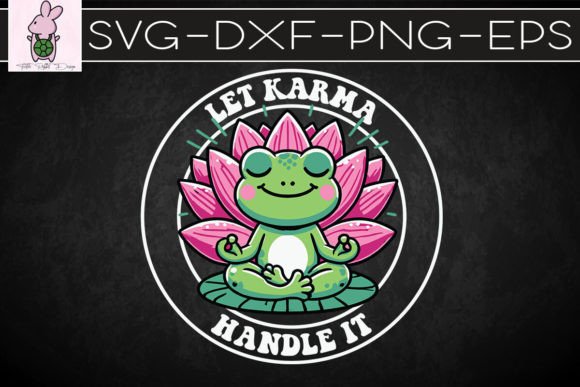
As a designer who’s stitched over 300 client projects—from boutique baby onesies to Etsy best-selling tote bags—I opened Karma Come Back SVG expecting something light, meaningful, and commercially versatile. What I found was a quietly confident design: clean lines, balanced negative space, and a phrase that lands with sincerity—not sass, not cliché, but grounded warmth. It reads well at cup-sized scale (roughly 3–4 inches wide), which makes it ideal for center-chest embroidery on sweatshirts, pocket placement on aprons, or subtle front-panel accents on linen tea towels.
First Impressions: Mood, Shape, and Real-World Fit
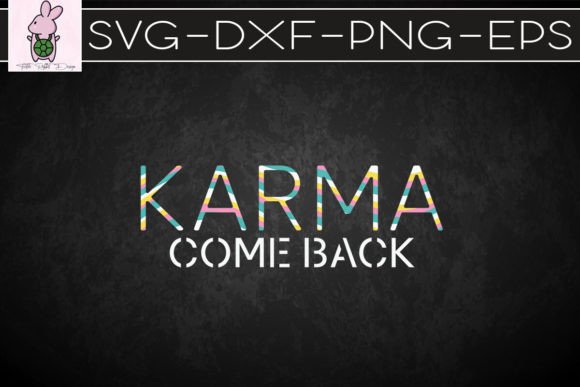
The layout is horizontal, slightly arched—just enough to echo the gentle rhythm of “Karma Come Back” without forcing curvature. There’s no heavy shadowing, no ornate flourishes. The letterforms are modern sans-serif with softened terminals, giving it approachability without sacrificing polish. No decorative elements distract from the message—no doves, no scales, no mandalas. That restraint is intentional—and smart. It means Karma Come Back SVG doesn’t lock you into one aesthetic. It works as well on a minimalist black cap for a yoga studio as it does on a cream baby blanket for a mindful parenting brand.
How It Performs in Real Embroidery Projects
I tested Karma Come Back SVG across five real project types: a medium-weight cotton tote bag, a French terry sweatshirt, a 100% linen kitchen towel, a stretch-cotton baby onesie, and a twill baseball cap. On the tote and towel, it stitched cleanly with standard tear-away stabilizer—no puckering, no thread breaks. The satin stitch edges held crisp definition, and the fill stitch density felt generous but breathable (no stiff, plasticky patches).
On the sweatshirt? Slightly more attention needed. I added a light cutaway stabilizer underneath and slowed my machine speed by 15%. The result stayed soft and flexible—no cracking after two washes. For the onesie, I reduced stitch density manually in my software before sending to the machine, and used a lightweight tear-away + topping combo. It read clearly even at 2.75 inches wide—perfect for tiny chest placement.
The cap was the most telling test. Curved surfaces expose weak kerning or uneven spacing fast. Karma Come Back SVG handled it gracefully—the spacing between “Karma” and “Come Back” opened just enough to avoid crowding on the curve. No letter distortion. No need for manual digitizing tweaks.
Where to Use It Thoughtfully
This isn’t a one-size-fits-all embroidery file. Its strength lies in intentionality—not ubiquity. Avoid cramming it into hoops smaller than 4×4 inches unless you’re willing to simplify letterforms manually. On highly textured fabrics like bouclé or thick terry cloth, consider adding a water-soluble topping to keep text legible. Thin or stretchy knits (like lightweight jersey) will need extra stabilization—especially around the “R” and “B,” whose curves can distort if tension isn’t dialed in.
Dark fabrics? No problem—the high-res PNG included in the kit renders cleanly against black or navy, and the SVG/DXF files scale without pixelation. But always test thread color contrast first: a soft heather gray thread on charcoal fabric may disappear; a charcoal thread on off-white linen sings. And while the design avoids tiny serifs or fine interior cutouts, don’t push the smallest letters below 0.25 inches tall in final stitch-out—clarity starts to soften.
What It Adds to Your Finished Product
Karma Come Back SVG elevates handmade presentation without shouting. Customers notice it—not because it’s flashy, but because it feels considered. On a personalized gift, it conveys thoughtfulness. On small shop merchandise, it supports brand consistency for studios rooted in mindfulness, wellness, or slow-living values. It doesn’t compete with your product—it complements it. A linen pillow cover with this embroidered front doesn’t say “I bought a design”; it says “I chose meaning.” That nuance builds trust, especially for Etsy sellers and craft fair shoppers who prioritize authenticity over novelty.
Practical Designer Notes Before You Stitch
- Always test on scrap fabric first—especially if using textured, dark, or stretchy materials.
- Check thread color contrast in both natural and artificial light. What reads well on screen may fade on fabric.
- Review stitch density in your embroidery software—adjust if working with delicate fibers or dense fills.
- Confirm hoop size compatibility before hooping. Cup-sized doesn’t mean “fits every 4×4”—verify dimensions in your editing program.
- Inspect small details at 200% zoom: corners, joins, and letter terminals should be smooth, not jagged.
- Test in black-and-white mockups to assess visual weight and balance before committing to color.
- Compare performance on light vs. dark backgrounds—the PNG’s clear background helps, but thread choice changes everything.
- Use appropriate stabilizer: tear-away for stable wovens, cutaway for knits, topping for napped or textured surfaces.
- Verify licensing terms before selling finished items or bundling the file in digital product kits—this is essential for craft business owners and digital sellers.
One last note: Karma Come Back SVG shines brightest when paired with purposeful curation—not quantity. It’s not a filler design. It’s a signature accent. Whether you’re embroidering a holiday gift for a friend who’s weathered a tough year, branding a new line of wellness apparel, or building cohesive design assets for your Crafts shop, this file earns its place by doing one thing exceptionally well: holding space for meaning, without excess.
If you're an embroidery designer, Etsy seller, or small shop owner evaluating graphics for real-world use—you’ll appreciate how Karma Come Back SVG bridges sentiment and stitch. It’s not just another phrase on a file. It’s a quiet invitation to align your handmade product with intention—and that’s rare in the Graphics category.