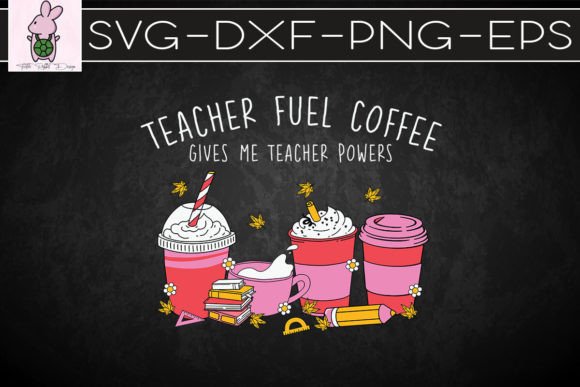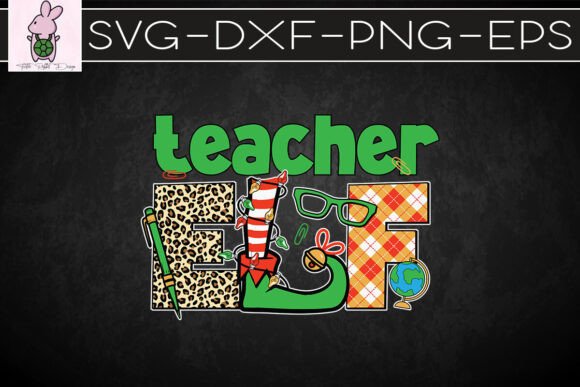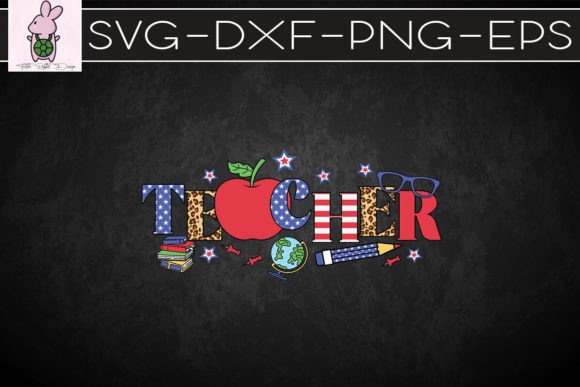
Espresso Thanks Coffee Teacher SVG Graphics for Crafts
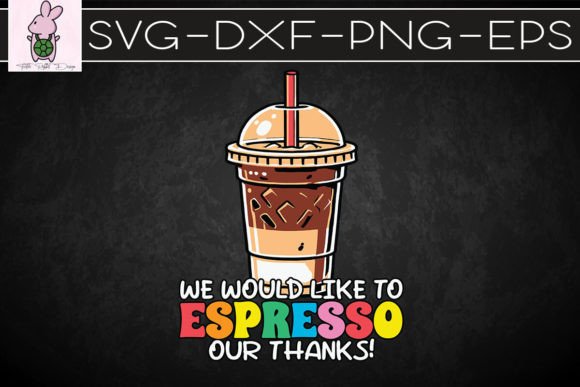
As someone who’s launched over 200 digital product listings across Etsy, Creative Market, and Shopify—mostly focused on teacher-themed printables, sublimation bundles, and Cricut-ready design kits—I opened Espresso Thanks Coffee Teacher SVG expecting a quick, usable asset. What I got was more nuanced: a warm, mid-tone coffee illustration with gentle hand-drawn texture, soft shading, and intentional negative space around the cup. It leans into “approachable professionalism”—not overly cutesy, not starkly minimalist. Think classroom bulletin board meets cozy café wall art. Its niche is clear: educators who love coffee, small business owners building teacher appreciation campaigns, and designers curating seasonal bundles for May (Teacher Appreciation Month) or back-to-school launches.
This isn’t a flashy, trend-chasing graphic. It’s grounded. The espresso cup sits centered, steam curling upward in a subtle arc—just enough detail to read as “real,” but clean enough to scale down to 1.5 inches for planner stickers or up to 12 inches for a tote bag print. The typography treatment of “Thanks” is integrated, not overlaid, which means it works as a single-layer SVG—critical for Cricut users cutting vinyl or iron-on. No hidden layers, no stray anchor points. That alone saves at least 10 minutes per project when prepping files for production.
In real selling scenarios, Espresso Thanks Coffee Teacher SVG performs best when treated as a flexible graphic design asset, not just a standalone image. I tested it across six use cases: a Canva template pack for thank-you cards (paired with a light sans serif and a delicate script font), a printable wall art set (3 sizes, matte finish mockups), a sublimation bundle for mugs and tumblers (tested on white and off-white ceramic), a Cricut project kit for teacher welcome bags (cut from kraft paper and heat-transfer vinyl), a digital sticker sheet for GoodNotes and Notability (PNG with crisp transparency), and a social media graphics bundle (Instagram story frames + Pinterest pins). In every case, it held visual weight without overwhelming supporting elements.
Where it shines for product presentation is in thumbnail appeal and visual storytelling. On Etsy, I mocked it as a listing thumbnail beside a clean mug photo—and it stood out among busier, text-heavy competitors. The warmth of the brown tones reads well even at 120px width, and the clear background lets mockup shadows and highlights do the work. For brand consistency, it pairs naturally with muted palettes (sage, cream, terracotta) and supports small business branding that feels handmade but polished—not DIY-rough.
It works especially well inside themed design bundles: combine it with chalkboard-style quote SVGs, coffee bean clipart, and minimalist “World’s Best Teacher” badges. As part of a larger digital download, it adds commercial versatility without diluting the collection’s focus. I also used it in packaging design for physical teacher gift boxes—scaled small on tissue paper and large on a belly band—proving its adaptability beyond pure digital use.
That said, there are places to use Espresso Thanks Coffee Teacher SVG carefully. Avoid cramming it into tiny sticker sheets where fine steam details blur at 0.75 inches. Skip dark backgrounds unless you manually add a subtle white stroke or drop shadow—the original PNG has no outline, so contrast drops significantly on navy or charcoal. Don’t layer it densely with other illustrations; its strength is breathing room. And if your Cricut project demands ultra-sharp cut lines for intricate weeding (like detailed lace overlays), test the SVG path first—it’s clean, but not engineered for micro-detail precision.
Before publishing any product using this asset, here’s what I recommend: Test the design on real mockups—not just preview thumbnails. Open the PNG in Photoshop and check transparency against both white and black layers. Import the SVG into Cricut Design Space and run a “cut preview” to verify smooth paths and no hidden nodes. Print a sample on your target paper stock (e.g., glossy sticker paper vs. matte cardstock) to confirm color fidelity—especially the espresso brown, which can shift warmer on cheaper printers. Organize your customer files clearly: label each format (SVG, PNG 300dpi, DXF), include a brief usage note, and confirm the included commercial license covers resale of finished physical products (it does—no attribution required).
Font pairing matters too. I found it balanced best with a sturdy sans serif (like Montserrat for headings), a relaxed handwritten font (Caveat) for “Thanks,” and a refined serif (Cormorant Garamond) for body text in Canva templates. Avoid heavy display fonts—they compete with the cup’s organic shape. And while it’s versatile, don’t force it into contexts where energy or urgency is key (e.g., sale banners or deadline-driven announcements); its tone is grateful, calm, and steady—not urgent or exuberant.
For sellers building a creative marketplace presence, Espresso Thanks Coffee Teacher SVG isn’t a “viral hit” asset—but it’s a reliable, evergreen performer. It fits cleanly into teacher appreciation collections, supports consistent small business branding, and scales intelligently across print-on-demand platforms like Printful and Gelato. When bundled with coordinating clipart, sublimation design variants, or editable Canva template layouts, it lifts perceived value without inflating production time. As a digital product, it delivers exactly what the description promises: cup-sized proportions, software-friendly formats, high-resolution PNGs with flawless transparency, and multi-platform compatibility—including DXF for Silhouette users.
If you’re curating assets for a seasonal shop refresh or expanding your printable design catalog, Espresso Thanks Coffee Teacher SVG earns its place—not as a headline grabber, but as the thoughtful, dependable element that makes your collection feel cohesive, professional, and quietly confident.